






A New Path Home: Federal Gun Rights Restoration Returns After 30 Years

For more than three decades, a federal felony conviction meant a permanent loss of Second Amendment rights, in practice if not on paper. The law had always contained a mechanism for restoration—18 U.S.C. § 925(c)—but Congress quietly gutted it in 1992 by barring the ATF from spending any money to process applications. The result was a statute that technically existed but functioned as a dead letter for over thirty years, leaving millions of Americans with old convictions no realistic way to regain rights they'd otherwise be entitled to seek.

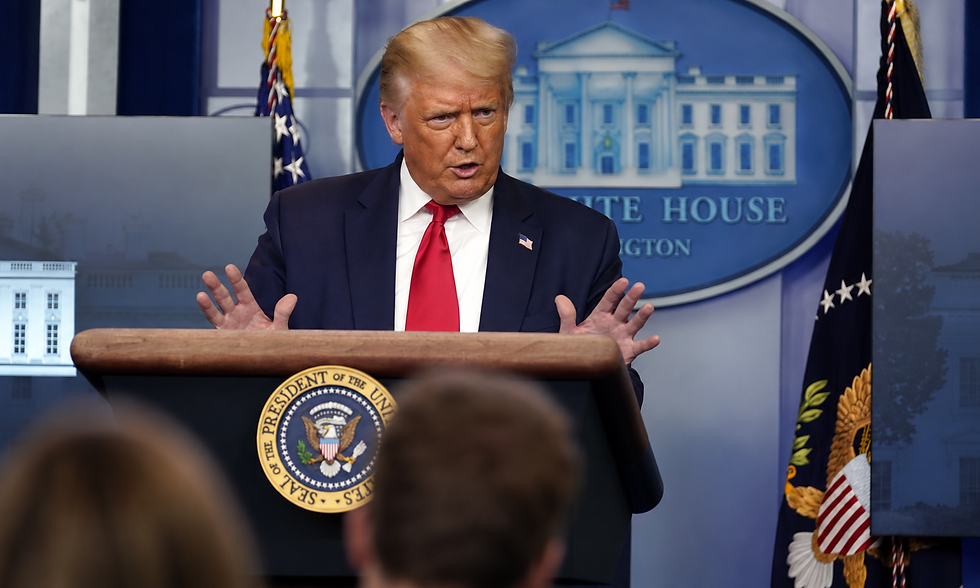
That changed this year. On August 17, 2026, the Department of Justice announced a final rule that shifts authority over § 925(c) applications away from the ATF and into the DOJ's Office of the Pardon Attorney—an office that isn't bound by the old congressional funding restriction. For the first time since the early 1990s, the federal restoration process is actually operational.
How the New Process Works
Under the rule, codified in a new 28 C.F.R. Part 107, people with certain federal felony convictions—along with others barred from firearm ownership under federal law—can apply for relief after a waiting period of either five or ten years, depending on the nature of their offense. Applicants aren't granted relief automatically; they must clear a tiered system of presumptive disqualifiers and demonstrate to the Attorney General's satisfaction that restoring their rights wouldn't pose a danger to public safety or run contrary to the public interest.
The rollout is happening in stages rather than all at once. Invited candidates—selected by DOJ based on eligibility timelines and safety criteria rather than a lottery—can begin applying September 25, 2026. The program then opens to the first 5,000 public applicants on November 4, 2026, followed by an additional 500 slots on January 4, 2027, when a $30 application fee also takes effect (with waivers available for applicants who can't afford it).
Why It Matters
DOJ estimates that tens of millions of Americans currently carry a federal firearms disability. Many have long since completed their sentences, rebuilt their lives, and had no realistic legal avenue back to full rights short of a presidential pardon—itself a rare and unpredictable remedy. This rule doesn't open the door to everyone, and the evidentiary bar is real: applicants need clean records post-conviction, completed sentences and supervision, and a persuasive rehabilitation case.
It's also important to understand the limits. Federal restoration only fixes federal law. State restrictions—like Florida's felon-in-possession statute—operate independently, and a federal grant of relief doesn't automatically clear a separate state-law prohibition. Anyone considering applying should look at both layers of law that apply to them, not just the federal one.
Still, for a statute that sat unusable for a generation, this is a genuine structural shift—turning a right that existed only in theory into one people can actually pursue.
Want this saved as a file (Word doc, PDF, or Markdown) instead of just in the chat?


Comments