






When the Headlines Were Wrong About Trump

A false detail can travel farther than its correction. That has happened repeatedly in coverage of Donald Trump: remarks reported without their full context, photographs assigned the wrong date, and stories amended after publication. In other cases, Trump has taken media companies to court and obtained multimillion-dollar settlements.
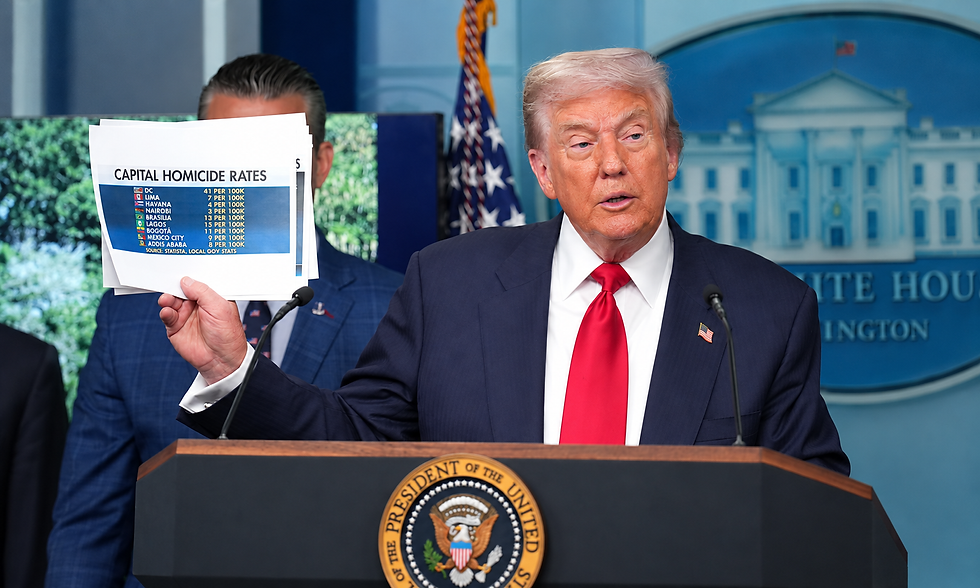
Those outcomes are different. A correction establishes that a report contained an error. An apology acknowledges a mistake. A settlement ends a dispute, but does not necessarily prove that a news organization lied. Keeping those distinctions clear makes the documented failures more compelling, not less.
The BBC supplied one of the starkest examples. Its 2024 Panorama documentary joined portions of Trump’s January 6, 2021, speech that had been delivered at different points. The resulting sequence gave viewers the impression that he made a direct call for violent action at the Capitol. The BBC later acknowledged that the edit created a mistaken impression, apologized to Trump and said it would not rebroadcast the documentary. Trump sued for damages; the BBC disputed that the edit amounted to defamation and rejected compensation. As of January 2026, it was seeking dismissal of his lawsuit. The apology is documented. A payment or court finding against the BBC is not.
The New York Times has also corrected consequential reporting connected to Trump. In January 2019, the paper amended a story about former campaign chairman Paul Manafort after initially reporting that he had directed a campaign associate to share polling data with Russian oligarch Oleg Deripaska. The correction changed the stated recipient to Ukrainian figures. That was a material distinction in a story published amid intense scrutiny of possible ties between Trump’s campaign and Russia.
Another Times example concerned Trump’s language about immigrants. In 2018, the paper and other outlets reported his use of the word “animals” in a way that suggested he meant immigrants broadly. The exchange concerned members of the MS-13 gang, and outlets subsequently clarified the context. Trump’s choice of words was still open to criticism. Readers nevertheless deserved to know whom he was talking about before judging the remark.
The Times is now a defendant in a separate, $15 billion defamation lawsuit brought by Trump over reporting about his business history. That case must not be presented as another retraction or payout. Trump filed an amended complaint in October 2025 after a judge rejected the form of his initial filing. The lawsuit reflects an ongoing dispute over the reporting; it has not established that the Times’ challenged claims were false.
Other disputes have ended in payments. In December 2024, ABC News agreed to put $15 million toward Trump’s presidential library and pay $1 million in legal fees to settle his defamation suit over George Stephanopoulos’s description of the E. Jean Carroll verdict. Stephanopoulos had said Trump was found liable for rape; the jury’s finding was for sexual abuse and defamation. ABC also posted an editor’s note expressing regret. The distinction in the verdict was central to Trump’s complaint, and the settlement carried a substantial financial cost for the network.
Paramount, the parent company of CBS News, agreed in 2025 to a $16 million settlement over Trump’s challenge to the editing of a 60 Minutes interview with Kamala Harris. CBS had aired different portions of one answer in a preview and in the full program. Trump alleged that the edits favored his election opponent. Paramount agreed to allocate the settlement money to Trump’s future presidential library and the plaintiffs’ fees and costs, but the agreement included neither an apology nor an admission of wrongdoing. CBS maintained that the interview followed its standard editing process. The payment was real; an established finding that CBS fabricated Harris’s answer was not part of the settlement.
There were smaller, revealing mistakes as well. Photographs of migrant children behind fencing taken in 2014 circulated during a 2018 argument over Trump’s border policies as if they showed a new development under his administration. Dating the images correctly mattered. It did not, however, make the Trump administration’s later family separations disappear. The original photographs and the later policy each required accurate reporting on their own terms.
The pattern should concern anyone who relies on the news. When a report is wrong, its correction often arrives after the first version has shaped public opinion. Outlets owe readers prominent, precise corrections and enough context to understand what changed. They also owe the public independence to report verified facts about a president, even when he objects.
Trump’s critics do not need inaccurate stories to make their case, and his supporters should not have to accept inaccurate coverage as the price of scrutiny. The strongest standard is the same for both: publish the full context, correct mistakes visibly, and distinguish a proven error from an allegation made in court.

Comments