






The AI Boom Comes With a Building Bill

Artificial intelligence may appear to live inside a phone or laptop. Behind every prompt, however, are buildings filled with servers, cooling equipment and electrical systems. Technology companies are racing to construct more of them, making the AI boom as much a bet on physical infrastructure as on software.
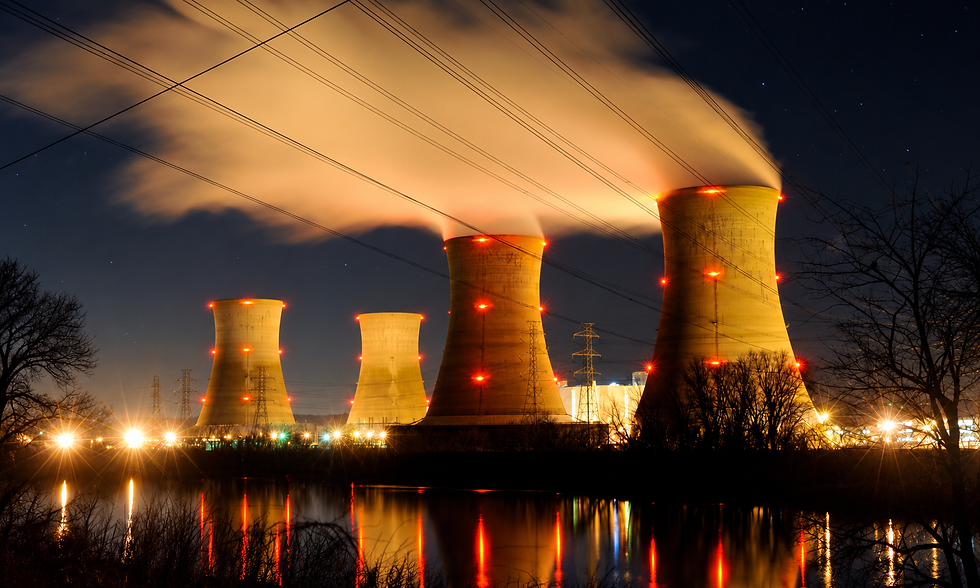
The bill is enormous. The International Energy Agency says capital spending by the largest technology companies exceeded $400 billion in 2025 and was expected to rise by another 75% in 2026. That spending includes equipment and facilities serving more than AI alone, but the agency identifies AI as a major driver of data center growth. Meta, for example, projected $130 billion to $145 billion in 2026 capital expenditures, including principal payments on finance leases.
A data center’s costs continue after construction. It needs electricity around the clock, connections to the grid, cooling and regular equipment upgrades. The IEA projects that global data center electricity use will roughly double from 485 terawatt-hours in 2025 to 950 terawatt-hours by 2030. AI-focused facilities are expected to grow faster than the broader sector.
Who collects money from all this spending is clearer than who ultimately earns enough to justify it. Chipmakers, construction firms, equipment suppliers and utilities can receive payment as facilities are built. The companies financing those facilities must then turn computing capacity into revenue—through cloud services, paid AI products, advertising improvements or business customers willing to pay for the technology.
There are encouraging signs. Major cloud providers report demand for computing capacity, and AI tools are becoming part of products people and businesses already use. Yet demand today does not, by itself, prove that every new facility will earn an adequate return over its working life. Revenue has to cover operating costs, equipment replacement and the original investment. The calculation becomes harder if competitors lower prices or newer chips make existing hardware less valuable sooner than expected.
The building boom also reaches beyond corporate balance sheets. Large facilities may require new power lines, substations and generation. Communities and regulators must decide which costs a developer pays directly and which, if any, are spread across other electricity customers. A project can create construction work and tax revenue while still prompting reasonable questions about water, land and future power bills.
None of this means the investment is destined to fail. The internet itself required years of expensive construction before many of its most profitable uses emerged. AI companies are betting that plentiful computing power will make new services possible and attract enough customers to pay for it.
But a building is a long-term commitment, not a quarterly software experiment. As spending rises, investors and communities will want more than forecasts of what AI could do. They will want evidence that the customers, revenue and local benefits are large enough to pay the bill.



Comments