






The Death of the Starter Home: America's first rung on the property ladder is disappearing—and younger buyers are paying the price

There was once an unwritten formula for joining America's middle class. Get a job. Save some money. Buy a modest first house. Build equity. Sell it several years later and use the proceeds to purchase something larger.
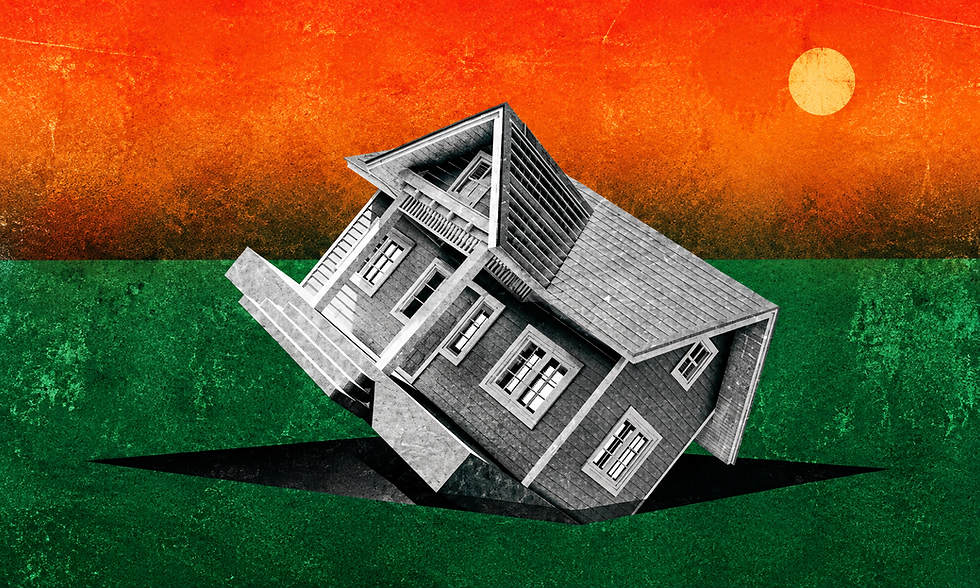
The house didn't have to be impressive. Two bedrooms, one bathroom and a small yard were enough. It was a starter home.
In 2026, that first rung on the property ladder is increasingly difficult to reach.
The numbers are striking. Realtor.com estimates the typical starter home now costs about $344,000, compared with $256,000 in 2019. Meanwhile, the household income needed to afford one has increased from approximately $43,000 to $78,000.
The problem isn't simply price.
There aren't enough affordable houses.
In June 2019, 55.1 percent of active U.S. listings were priced below $350,000. Today, only 37.6 percent are. That represents roughly 300,000 fewer affordable listings than before the pandemic.
The Small House Got Expensive
Starter homes traditionally worked because they were inexpensive by design.
They were smaller. They had fewer bathrooms, modest kitchens and limited square footage. Buyers accepted those compromises because the property provided something enormously valuable: entry into homeownership.
Today, even those modest houses command dramatically higher prices.
Since 2019, prices for two-bedroom listings have risen 44.5 percent, while three-bedroom listings are up 41 percent, according to Realtor.com.
Mortgage rates compound the problem.
A $300,000 house financed at roughly 3 percent is an entirely different purchase from the same house financed above 6 percent. Even when prices stabilize, monthly payments can remain difficult for first-time buyers.
The National Association of Realtors recently estimated that a typical first-time buyer purchasing a $369,700 starter home with 10 percent down faced a monthly mortgage payment of about $2,158, consuming nearly 36 percent of income.
And that's before insurance, property taxes, repairs and association fees.
Florida Offers Both Hope and Warning
The situation isn't identical everywhere.
The South has actually experienced meaningful improvement. Construction in Florida, Texas and the Carolinas helped add nearly 170,000 affordable listings compared with the pandemic-era low, while Southern starter-home prices have fallen modestly from their 2022 peak. But affordability remains a serious issue.
In Tampa and other markets, the mismatch between what middle-income households can afford and what is actually available remains substantial. A 2026 housing analysis found that households earning about $75,000 could afford homes around $261,000, yet properties below that level represented only about 23 percent of listings nationally.
That gap changes behavior.
Young adults remain with parents longer. Couples postpone purchases. Some families rent indefinitely. Others move farther from employment centers or consider condominiums, townhouses and multigenerational living.
More Than a House
The disappearance of the traditional starter home matters because homeownership has historically been one of America's most important wealth-building mechanisms.
A renter pays for housing.
A homeowner pays for housing while potentially accumulating equity.
When people cannot purchase that first property, they don't merely postpone owning a house. They can lose years in which appreciation and mortgage payments might otherwise have built household wealth.
There are signs of improvement. Affordable inventory has increased substantially since the depths of 2022, particularly across the South and West.
But America still faces a larger question.
For decades, the starter home wasn't simply a building. It was a financial steppingstone—a relatively inexpensive way for ordinary families to begin accumulating assets and moving into the middle class.
If that first step becomes accessible primarily to people who already possess substantial income, savings or family assistance, then it isn't really a starter home anymore.
It's simply another house many Americans can't afford.


Comments