






The Next Energy Crisis Isn’t Oil — It’s Electricity

For generations, the world's biggest energy fears centered on oil. Wars in the Middle East, embargoes and disruptions to shipping could send gasoline prices soaring and threaten the global economy. The next energy crisis may look very different.
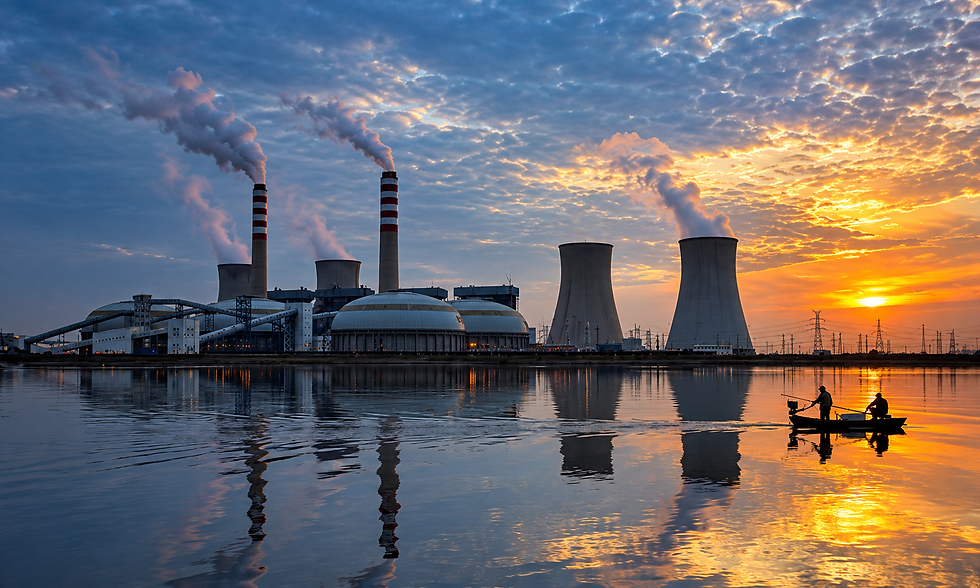
Instead of oil tankers and pipelines, the pressure is increasingly building around electricity — and artificial intelligence is becoming one of the forces driving it.
The enormous data centers powering AI systems require staggering amounts of electricity. Servers must operate around the clock, sophisticated computer chips consume tremendous power, and enormous cooling systems are needed to prevent the equipment from overheating.
The International Energy Agency estimates that data centers consumed approximately 485 terawatt-hours of electricity worldwide in 2025. By 2030, consumption could approach 950 terawatt-hours — nearly doubling in five years.
AI is responsible for an increasing share of that demand.
An Industrial Revolution Inside Warehouses
From the outside, a data center can resemble an enormous, relatively ordinary warehouse. Inside, however, thousands of advanced processors are performing billions of calculations.
As companies race to build increasingly powerful AI models, they need more computing capacity.
That means more data centers.
The IEA expects electricity consumption from AI-optimized data centers to more than quadruple by 2030. In the United States, electricity consumed for processing data could eventually exceed the amount used to manufacture all aluminum, steel, cement and chemicals combined.
The problem isn't simply generating enough electricity.
It is getting enormous quantities of power to the right places at the right time.
Electrical grids were designed around population centers, factories and predictable patterns of demand. A massive data-center campus can suddenly require as much electricity as a small city, potentially forcing utilities to construct new transmission lines, substations and generating capacity.
Those projects can take years.
A data center can sometimes be constructed considerably faster.
America Faces the Problem First
The United States is particularly exposed because it is leading the AI infrastructure boom. The IEA projects that data centers could account for almost half of the growth in U.S. electricity demand through 2030.
That has implications far beyond Silicon Valley.
Utilities are reconsidering natural gas plants. Technology companies are signing agreements involving nuclear power. Renewable-energy projects are expanding, while developers are increasingly interested in advanced nuclear reactors and other sources capable of supplying enormous amounts of reliable electricity.
There is also a politically sensitive question: Who pays for the infrastructure?
If utilities must spend billions upgrading electrical systems to accommodate giant technology companies, regulators will face pressure to ensure those expenses aren't simply transferred to ordinary households through higher electric bills.
The New Energy Race
AI has largely been portrayed as a competition over computer chips, software and technological talent.
Increasingly, it is becoming a competition over energy.
The countries capable of producing abundant, reliable and affordable electricity may possess an enormous advantage in the next stage of artificial intelligence.
America spent much of the last century worrying about access to foreign oil.
The emerging challenge is almost the opposite.
The United States possesses extraordinary technological capabilities. But those capabilities increasingly depend on something decidedly old-fashioned: power plants, transmission lines, transformers and an electrical grid capable of supporting them.
The defining energy question of the AI era may therefore be surprisingly simple.
Not who has the smartest computer.
But who has enough electricity to keep it running.


Comments