






Trump’s Greenland Deal Expands U.S. Military Reach Without Changing Who Governs the Island

President Donald Trump has signed a security agreement with Denmark and Greenland that gives the United States room to expand its military presence on the Arctic island. The deal is a significant shift after months of tension over Trump’s demand to acquire Greenland, but it does not make the island American territory. Greenland remains a self-governing territory within the Kingdom of Denmark.
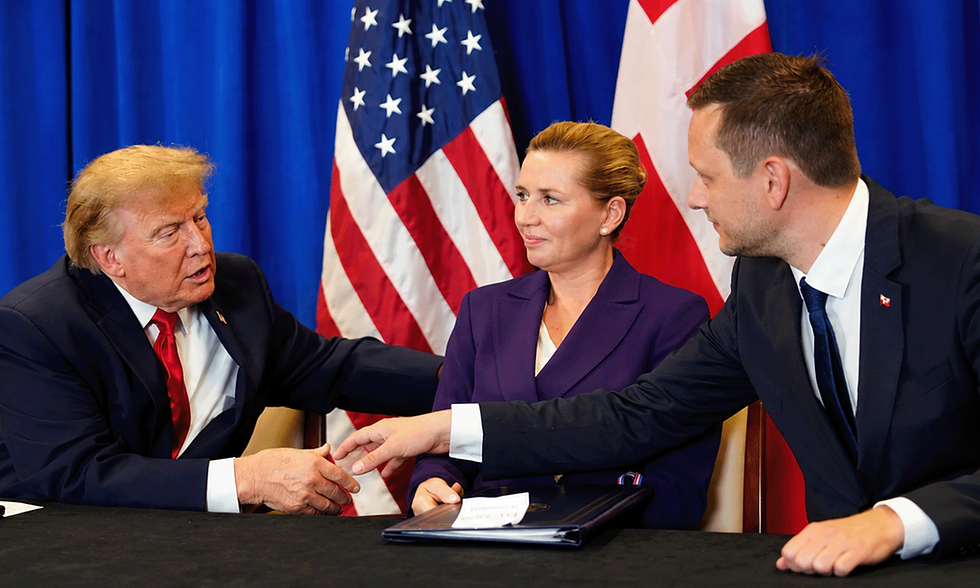
The three leaders signed the agreement Tuesday on the sidelines of the United Nations General Assembly in New York. It allows the United States to modernize its existing Pituffik Space Base and establish military sites at Narsarsuaq and Mestersvig. It also creates a process for considering additional U.S. facilities. The agreement amends the 1951 defense treaty that has long provided the basis for America’s military presence in Greenland.
For Trump, the deal addresses the security argument he has made for bringing Greenland under U.S. control. The island occupies a strategic position between North America and Europe, and the agreement permits a proposed “Golden Dome” missile defense system there. It also bars countries outside NATO from establishing military installations on Greenland unless the parties agree to an exception. Restrictions on investment in sensitive sectors, including critical infrastructure and resource extraction, are intended to keep potential adversaries from gaining influence.
Trump has described the agreement in sweeping terms, saying it gives Washington permanent control over Greenland’s security. The written terms are more limited. Denmark and Greenland retain a role in reviewing proposals for further facilities, and Greenland is responsible for enforcing the investment restrictions through its laws. The agreement has no stated end date, but it still requires approval by the parliaments of Denmark and Greenland.
That distinction matters after the dispute that preceded the signing. Trump’s refusal earlier this year to rule out military or economic force to acquire Greenland alarmed leaders in Denmark and Greenland, both of whom rejected a U.S. takeover. Greenland’s prime minister, Jens-Frederik Nielsen, said after the ceremony that Greenlanders now face the work of restoring trust with the United States.
Danish Prime Minister Mette Frederiksen presented the pact as a way to strengthen NATO security while respecting Greenland’s right to determine its future. Nielsen likewise emphasized NATO’s role in the Arctic. Their support signals a diplomatic compromise: Washington gains a clearer path to a larger defense presence, while Denmark and Greenland preserve their position on sovereignty.
The practical scale of that expansion remains to be seen. Trump has spoken of building two major bases, but the agreement’s signing does not itself complete those projects. Parliamentary approval, site plans and decisions about future facilities still lie ahead. For now, the deal ends the immediate standoff over acquisition by turning the discussion toward military access—and leaves Greenland’s political future in Greenlandic hands.


Comments