






The U.S. Economy Continues to Demonstrate Resilience

Despite concerns over inflation, interest rates, and global uncertainty, the U.S. economy has continued to show remarkable resilience. While economists have repeatedly warned of a possible recession over the past several years, the nation's economy has remained one of the strongest among advanced economies, supported by steady consumer spending, business investment, and a healthy labor market.
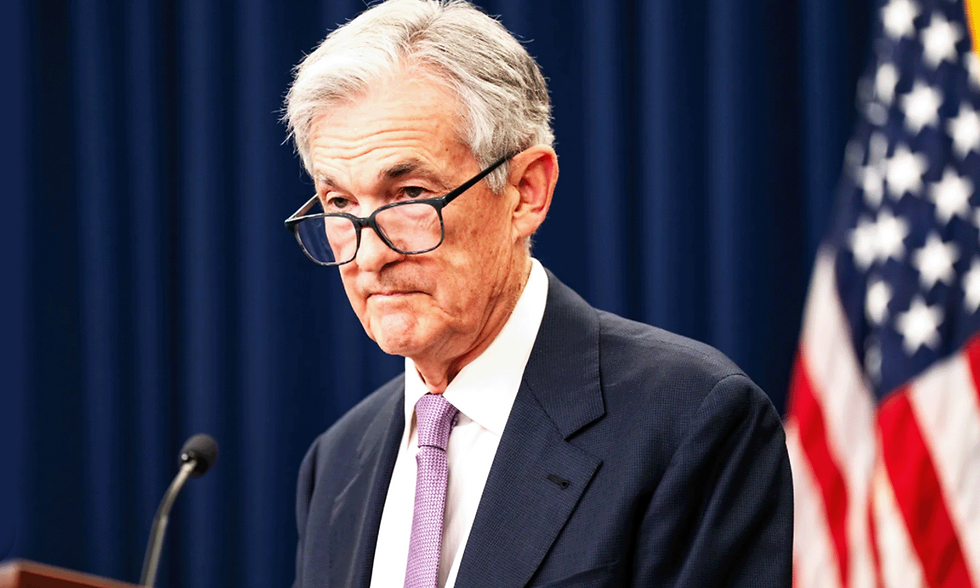
One of the biggest drivers of economic strength remains employment. The United States has maintained relatively low unemployment levels, with millions of Americans continuing to find work across industries including healthcare, technology, construction, manufacturing, and professional services. Wage growth has also helped many households offset some of the higher costs brought on by inflation.
Consumer spending continues to fuel much of the nation's economic activity. Americans remain willing to spend on travel, entertainment, dining, home improvement, and retail purchases. That demand has helped businesses expand operations, hire additional workers, and invest in new products and services. While higher interest rates have slowed some sectors, particularly housing, consumer confidence has remained relatively stable.
Business investment has also contributed to the economy's momentum. Companies continue investing in artificial intelligence, automation, cybersecurity, cloud computing, and advanced manufacturing. Major technology firms have announced billions of dollars in spending on data centers and AI infrastructure, while manufacturers have expanded production facilities across the country. These investments are expected to create jobs and improve productivity over the coming years.
The energy sector remains another source of strength. The United States continues to be one of the world's largest producers of oil and natural gas while simultaneously expanding renewable energy projects, battery storage, and electric vehicle manufacturing. This diversified energy portfolio has strengthened domestic production and supported long-term economic growth.
Challenges remain. Inflation has moderated from its recent highs but continues to affect household budgets. Higher borrowing costs have slowed home sales and increased financing costs for businesses. In addition, ongoing geopolitical tensions and global supply chain disruptions remain potential risks to future growth.
Even so, the underlying fundamentals of the U.S. economy remain solid. A diverse industrial base, strong consumer market, world-leading technology sector, and entrepreneurial culture continue to distinguish the United States from many other developed nations. Financial markets have also reflected confidence in the long-term outlook, with continued investment in innovation and infrastructure.
While no economy is immune to economic cycles, the United States has repeatedly demonstrated its ability to adapt to changing conditions. As businesses embrace new technologies and consumers continue driving demand, many economists believe the country remains well positioned for continued long-term growth, even as policymakers navigate the challenges that lie ahead.



Comments