






Shield AI Is Pioneering the Next Generation of Autonomous Military Aircraft

Updated: Jul 26
As modern warfare increasingly relies on artificial intelligence and autonomous systems, Shield AI has emerged as one of the fastest-growing defense technology companies in the United States. Founded in 2015 by former Navy SEAL Brandon Tseng and his brothers, the California-based company is developing AI-powered aircraft designed to operate in environments where traditional GPS signals and communications may be unavailable or deliberately disrupted.
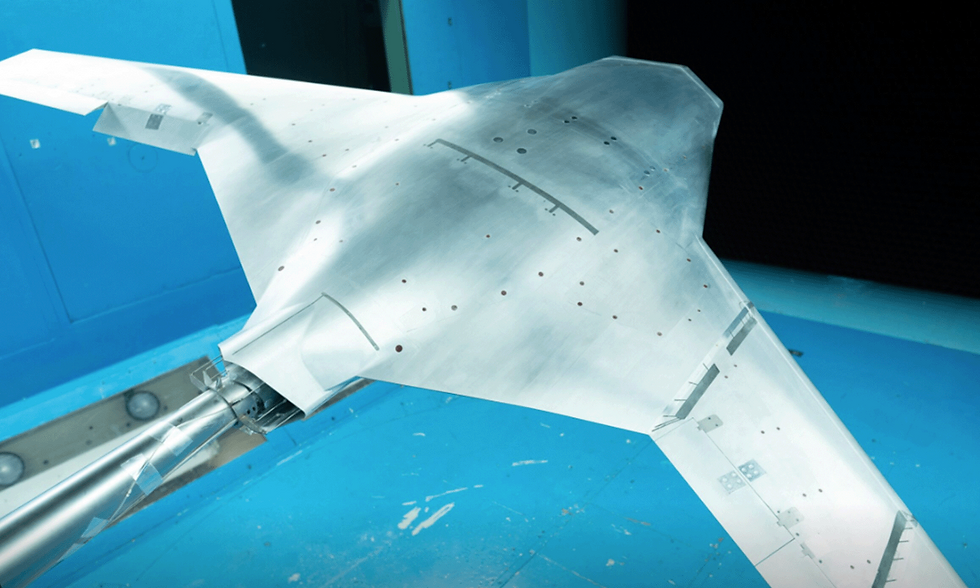
Unlike conventional drones that require constant input from human operators, Shield AI's aircraft use sophisticated onboard artificial intelligence to make navigation decisions independently. This capability allows them to continue flying missions even when enemy forces jam communications or satellite signals—a growing concern in modern military conflicts.
One of the company's best-known technologies is Hivemind, an AI software platform that enables autonomous aircraft to navigate, avoid obstacles, and accomplish missions with minimal human intervention. Rather than replacing pilots, the technology is designed to work alongside military personnel by performing dangerous reconnaissance and surveillance missions in contested environments.
Shield AI has attracted significant investment from both private investors and the U.S. Department of Defense, reflecting growing confidence in autonomous aviation. Military planners believe AI-controlled aircraft could reduce risks to service members while increasing operational flexibility on future battlefields.
The company's work extends beyond small drones. Shield AI is also developing autonomous capabilities for larger aircraft, helping transform traditional military aviation into intelligent, software-driven platforms.
Supporters argue that autonomy will become as important to future warfare as stealth technology was in previous decades. As militaries seek faster decision-making and greater resilience in contested environments, companies like Shield AI are expected to play an increasingly prominent role.
Although autonomous military systems continue to raise ethical and policy questions, few dispute that artificial intelligence will remain a defining feature of next-generation defense technology. Shield AI stands at the forefront of that transformation, helping shape how military aircraft may operate in the decades ahead.



Comments