






Off the Grid: Living a Self-Sufficient Life

Updated: Jul 27
For some people, true freedom means leaving behind the conveniences of modern society. Off-grid living has become increasingly popular among those seeking independence, sustainability, and a closer connection to nature.
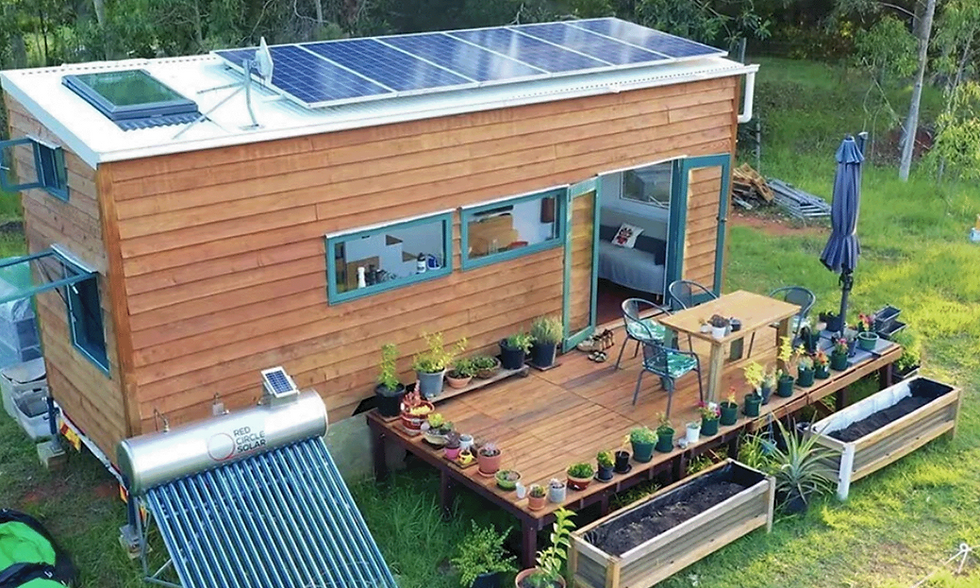
Living off the grid typically involves generating electricity through solar panels or wind turbines, collecting rainwater, growing food, and reducing dependence on public utilities. Many off-grid homes are located in rural areas where residents can build sustainable lifestyles with minimal environmental impact.
The lifestyle requires hard work and practical skills. Gardening, maintaining equipment, preserving food, repairing structures, and preparing for changing weather conditions become part of daily life. Unlike suburban living, there is rarely someone else to solve unexpected problems.
Despite the demands, many off-grid residents value the peace and self-reliance their lifestyle provides. Lower monthly expenses, reduced environmental footprints, and greater independence are among the most common reasons people make the transition.
Off-grid living isn't about rejecting technology altogether. Many households use modern tools, satellite internet, and renewable energy systems while maintaining a simpler way of life. For those seeking greater control over their future, living off the grid offers a unique blend of resilience, sustainability, and personal freedom.



Comments