






Suspected Plague Death in Siberia Prompts Quarantines and Questions

A laboratory worker’s death in Siberia has triggered precautionary quarantines and international scrutiny, raising fears of pneumonic plague while leaving a central question unanswered: What actually killed her?
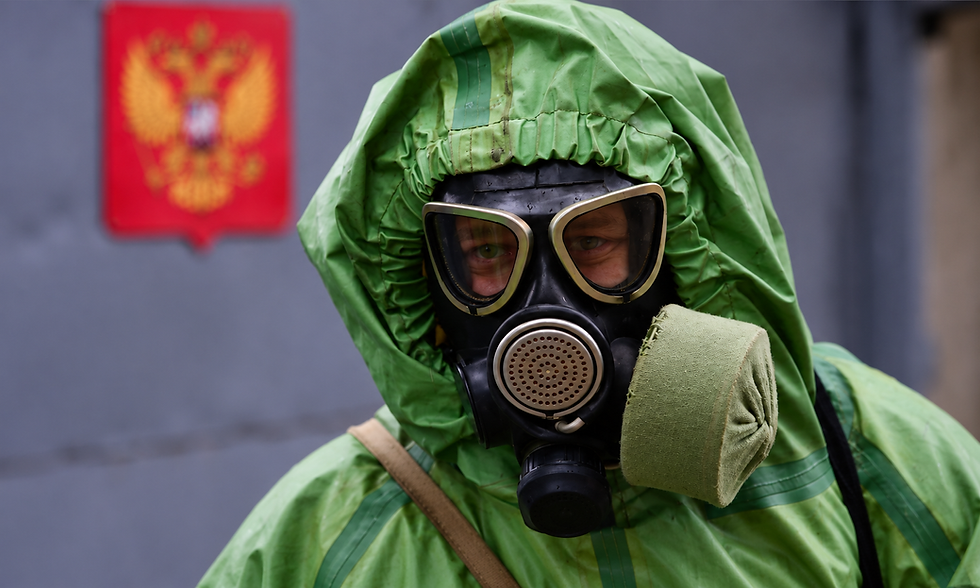
The 28-year-old employee worked at the Irkutsk Anti-Plague Research Institute near Shelekhov. She developed pneumonia of an unknown cause and subsequently died. Russian authorities quarantined a hospital and began monitoring people who had contact with her. Preliminary testing, officials said, had not established a connection between her illness and the pathogens she handled at work.
The circumstances have fueled speculation about a laboratory exposure. Some reports suggest an accident involving plague bacteria, but that account remains unverified. Russia’s public health watchdog, Rospotrebnadzor, said no accidents involving pathogenic microorganisms had been detected at the institute. The agency described the sanitary and epidemiological situation in the surrounding region as stable. U.S. officials are monitoring the reports.
For readers, the distinction between a suspected infection and a confirmed outbreak is essential. Quarantines demonstrate that authorities are taking precautions; they do not, by themselves, establish that plague caused the death or that transmission is occurring.
The disease attracting attention is pneumonic plague, a severe lung infection caused by Yersinia pestis. The same bacterium caused the historical Black Death, but modern medicine has substantially changed the prospects for people who receive timely treatment. Antibiotics are effective, and early diagnosis can save lives.
Plague takes several forms. Bubonic plague, the most common, typically follows an infected flea bite and causes painful, swollen lymph nodes. Pneumonic plague affects the lungs and can spread between people through infectious respiratory particles, making rapid identification and isolation particularly important.
According to the World Health Organization, untreated pneumonic plague can become fatal quickly. Its recommended outbreak measures include isolating patients, protecting medical workers, testing specimens and monitoring close contacts. Those steps explain why health authorities may act before a diagnosis is fully established.
Russian authorities said Monday that the situation was under control, even as the death generated public concern and speculation online. Dozens of people were quarantined, and the head of the country’s health watchdog traveled to the Irkutsk region.
The unresolved questions concern the worker’s diagnosis, the source of any infection and whether anyone else became infected. Clear laboratory findings will matter more than alarming headlines. Until those answers emerge, the incident warrants close scrutiny and careful reporting, with uncertainty stated plainly.


Comments