






Art Basel Miami Beach Shrinks Its Footprint and Rethinks the Visitor Experience

MIAMI BEACH — Art Basel Miami Beach is preparing a smaller, substantially redesigned fair this December, changing how collectors encounter galleries at one of Florida’s most prominent cultural events.
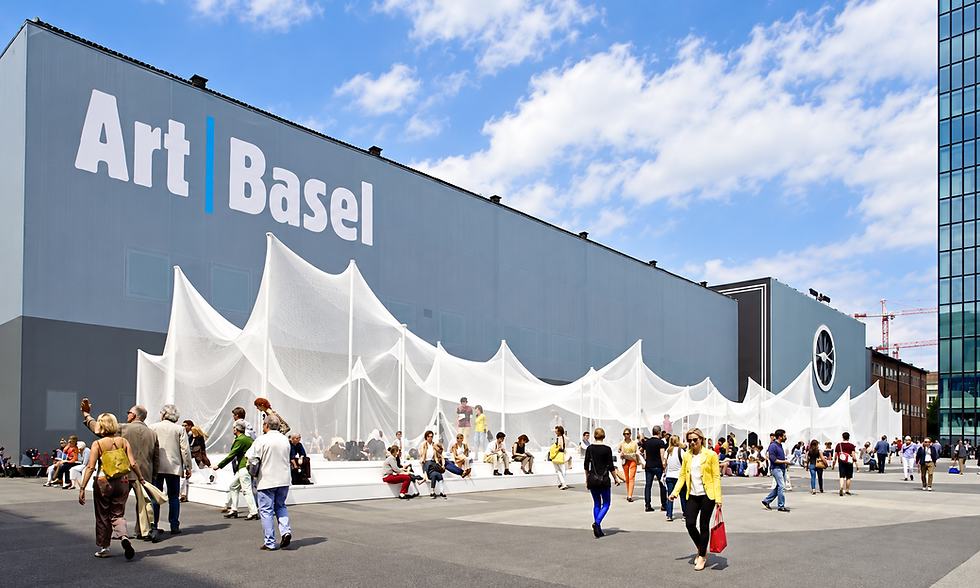
The 2026 edition will feature 272 exhibitors, while its main Galleries sector drops from 226 participants last year to 204. The fair’s footprint inside the Miami Beach Convention Center will shrink by approximately 12 percent, according to organizers and reporting by The Art Newspaper.
Public days are December 4–6, following invitation-only previews December 2–3. Organizers describe the redesign as a response to feedback from galleries, visitors and the fair’s selection committee.
The most noticeable changes concern movement through the building. Four hospitality plazas will replace five, creating longer sightlines. Major international galleries, previously concentrated in one area, will be distributed throughout the exhibition floor.
“When collectors move beyond familiar routes, discovery follows,” fair director Bridget Finn said in the announcement.
That approach could give smaller exhibitors additional exposure. Visitors heading toward a familiar dealership may encounter emerging artists or galleries they otherwise might have missed. Whether those encounters produce sales will become clearer when the fair opens.
The reduced footprint does not mean the disappearance of major names. Gagosian, Hauser & Wirth, Pace and White Cube are among the returning galleries. More than 30 exhibitors will participate for the first time, many through sections dedicated to recent work, emerging artists and historical presentations.
South Florida galleries will remain visible, including Fredric Snitzer Gallery, David Castillo, Gavlak and Nina Johnson. Their participation places regional businesses alongside international dealers, maintaining a local connection within an event shaped by global collecting.
The changes also raise a broader question for the industry: can a more concentrated fair deliver better results than a larger one? Organizers are presenting the smaller layout as a deliberate improvement. Its commercial success, however, remains to be demonstrated.
Activity beyond the convention center will provide another dimension. Organizers have announced free outdoor programming involving James Turrell, along with Between Tides, a Public Art Fund exhibition of artist-designed ping-pong tables in Collins Park.
For Miami Beach, the redesign offers a fresh test of an established attraction. The fair is asking visitors to cover less ground while encountering a broader mix of presentations along the way.
The central promise is straightforward: fewer familiar routes, more unexpected discoveries, and an experience designed to hold attention.


Comments